Special Exhibition Marking the 100th Anniversary of Hangeul Day: 1926 Infinite Takeoff
Exhibition · 주제관, 3층, 대한민국역사박물관
Special Exhibition Marking the 100th Anniversary of Hangeul Day: 1926 Infinite Takeoff
DatesFri, Oct 2, 2026 – Tue, Feb 9, 2027- Monday–Tuesday/Thursday–Friday/Sunday 10:00~18:00 (last admission 17:30)- Wednesday/Saturday 10:00~21:00 (last admiss…All dates and times are Korea time (KST)
VenueNational Museum of Korean Contemporary History 3F Theme Hall198 Sejong-daero, Jongno-gu, Seoul서울특별시 종로구 세종대로 198 대한민국 역사박물관
Weather during the dates
Past days: KMA observations · coming days: forecast (as of 11.20 02:15)
About
Special Exhibition Marking the 100th Anniversary of Hangeul Day: 1926 Infinite Takeoff Period: Fri, Oct 2, 2026 – Tue, Feb 9, 2027
Venue: Theme Hall, 3rd floor, National Museum of Korean Contemporary History
Admission: Free
Hours: 10:00–18:00 (open until 9 p.m. on Wednesdays and Saturdays)
Inquiries: 02-2124-6327
About the Exhibition
To mark the 100th anniversary of the establishment of Hangeul Day in 2026, the National Hangeul Museum has prepared the special exhibition 1926 Infinite Takeoff together with the National Museum of Korean Contemporary History, the Korean Language Society and the King Sejong the Great Memorial Society.
Hangeul Day is familiar as a national holiday that comes around every year, a day off and a day of many commemorative events. But precisely because it has always been close at hand, we may never have had the chance to look at it closely.
1926 Infinite Takeoff takes a close look at Hangeul and Hangeul Day through the many stories Hangeul Day holds, letting you feel how Hangeul is connected to us and what it means. We invite you to look back on what Hangeul has been to us and to imagine the future of Hangeul, which will take off infinitely with us.
Gagya Day: 1926 The first name of Hangeul Day was "Gagya Day." The first Gagya Day ceremony was held in 1926, 100 years ago. The date, first set based on the Annals of King Sejong, was settled as October 9 after the discovery of new records, and the legal status of Hangeul Day has also changed several times. This section introduces how Hangeul Day began and changed until it became the national holiday we observe today.
The Familiar Clue of "Gagya" "Gagya" was another name long used for Hangeul. It comes from the fact that "ga-gya" stands at the very front of "ga, gya, geo, gyeo...," the sequence combining Hangeul consonants and vowels to make the script easy to learn. Centered on "gagya," which holds clues to how Hangeul has been passed down over a long time, this section introduces the history of Hangeul learning and Hangeul culture.
Hangeul Day: Infinite Takeoff Over the past 100 years, people have expressed their feelings about Hangeul and held various commemorative activities on the occasion of Hangeul Day. Through it all, Hangeul served as a bond that preserved identity and connected the nation during the period when national sovereignty was lost; today it is expanding into many fields as a wonderful means of self-expression and taking its place as a culture enjoyed by people around the world. Feelings become actions, and actions make a path. Hangeul and Hangeul Day now take off infinitely, together with you.
- Contact
- +82 2-3703-9200
- Closed
- January 1 / Seollal and Chuseok days
Directions
National Museum of Korean Contemporary History 3F Theme Hall
198 Sejong-daero, Jongno-gu, Seoul
서울특별시 종로구 세종대로 198 대한민국 역사박물관
 Naver Map
 KakaoMap
 TMAP
 Google Maps
Things to do nearby
Closest to the venue first
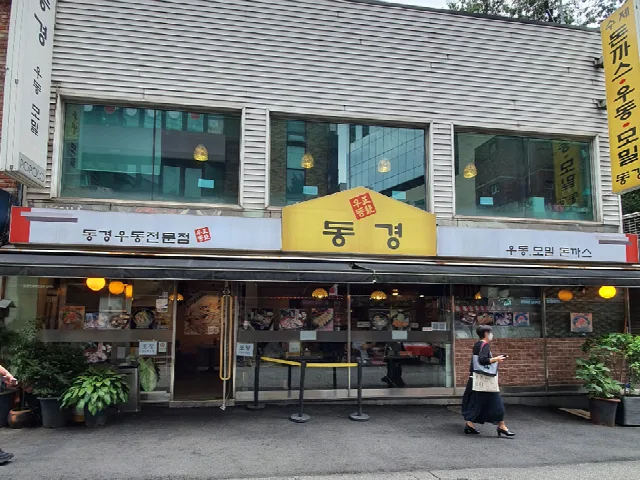
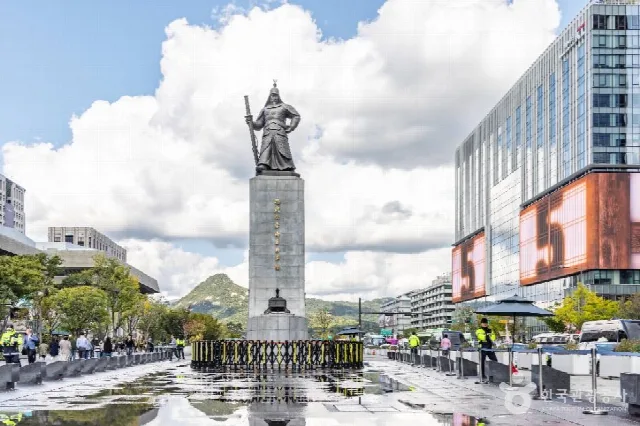
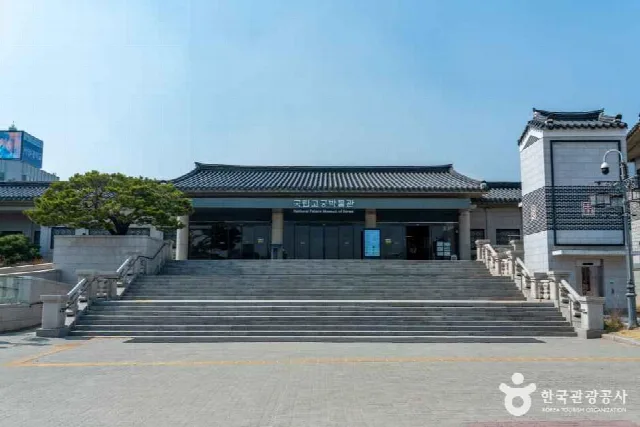

Nearby info & photos: Korea Tourism Organization
Festivals nearby
On now or coming soon · nearest first



Info: Culture Data Plaza — dates may change, please check with the organizer