Exhibition · Seoul
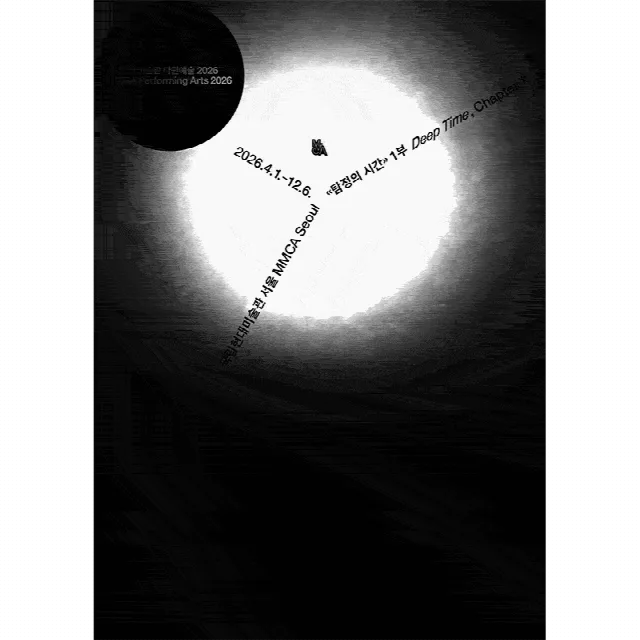
MMCA Performing Arts 2026: Deep Time
DatesWed, Apr 1 – Sun, Dec 6, 202610:00~18:00 Wed, Sat 10:00~21:00 ※ Ticketing: until 1 hour before closingAll dates and times are Korea time (KST)
VenueMMCA Seoul30 Samcheong-ro, Jongno-gu, Seoul서울특별시 종로구 삼청로 30
PriceAdmissionVaries by program
Weather during the dates
Past days: KMA observations · coming days: forecast (as of 11.20 02:15)
About
"A schizophrenic out for a walk is a better model than a neurotic lying on the analyst's couch." (Gilles Deleuze and Félix Guattari, Anti-Oedipus)
At a time when we expect instant computation and answers from artificial intelligence, this project calls certain long-term observers, artists and children "detectives." Few beings other than detectives still look closely at someone and wonder about the traces they leave. Such persistent observation is not simply gathering information. It contains a complex gaze: believing that secrets and truths can be uncovered, suspecting someone while steeling oneself not to lose a fundamental faith in humanity, and seeking to foresee the future to come by tracing the past.
The detectives of this year's MMCA Performing Arts, Deep Time, depart slightly from the classic detective and are caught up in two currents of change. First, they are detectives whose "sense of privilege" has collapsed. An external, privileged position is no longer possible, nor is believing one can solve complex problems, or firmly defining oneself as the agent who solves them. There is no single fixed truth (a culprit or a clear answer), and a confusion of identity that is always bound to waver makes the position or perspective of the "detective" different from before. Second, observation and deduction are visual and logical acts, but at the same time thoroughly acts of the body and of time. Watching another being closely requires an enormous amount of time and physical effort. Excessive devotion and patience, and the repetition of similar things, soon go beyond the object of observation and dramatically slow the pace of the detective's own life. In this deepened time, small everyday things such as the path of sunlight, someone's hair or the sound of one's own breathing take on different meanings. Uniquely human time, "deep and slow," distinct from mechanical speed: this is the theme of this year's program.
I have rendered this program's Korean title, The Detective's Time, in English as "Deep Time." Proposed by a geologist observing rock strata in Scotland, this concept refers to vast geological time beyond the human scale; this time resists fixity and completion and is itself a process of constant change and flow. I want to compare this "long, thick" time with the "deep learning" of artificial intelligence, an extremely goal-oriented process that acquires data to reduce errors and quickly derive optimal answers. Deep time is close to infinite, yet traces of change and energy are piled up layer upon layer in its strata. This is also why Deep Time takes an interest not only in artists but in children. Children's time and strata have not yet fully hardened, showing a "plasticity" that lets them change themselves and rise up in new forms even while being shaped by outside influences. In this way, children's creative observation and artists' endless work hold the potential to peel back the cover of time and shake fixed strata and orders.
Ultimately, the detective of this program does not pursue fixed truths and outcomes, but reveals other meanings through rupture, expansion and accumulation within deep time. This can be called contemporary art's response to the instant computation (answers) of AI, in other words, its accelerated agency. Interestingly, the detective's problem-solving process (induction, abduction, deduction) and the way an LLM (large language model) derives answers (massive induction, deduction through chains of thought) seem to share a similar logical structure. But the time of goal-oriented AI externalizes fatigue through disembodied, non-bodily observation. The detective's time, by contrast, begins only after leaving the scene: a time of replaying, like reviewing a game of baduk, redrawing in mind and heart what has already happened, and of mournful patience waiting for small traces to take on meaning. It is like the re-viewing that suddenly happens one night after leaving the museum or theater. This re-viewing reconstructs the viewer's thoughts and emotions. In this way, the detective re-constructs time while walking and gazing at mountains, trees, machines, the sky and the universe. In the process, the detective becomes not simply a machine that produces answers but a being who weaves relationships among beings in the gaps of events, or at times a subject who fails. In that Deep Delay, the detective agonizes, responds tenaciously and tails the arrow of time.
The act of long observation can never be neutral. As Christopher Nolan's film Following (1998), which bridges Parts 1 and 2, shows, seemingly aimless observation intervenes in the world of its object and forges new relationships and materialities between the two. They pull each other into their own time, and time slowly leaves marks on bodies and things like an index. And intense immersion pushes observer and observed out of their original places, changing them in unexpected directions. Between plasticity and permanent deformation, fierce longing and irreversible escape raise their heads. It is precisely here that the deep time accumulated in Part 1, "Observation and Pursuit," moves on to Part 2, "Slow Escape."
"Following is my explanation, ...my, well... my own 'account' of what happened." (from the film Following)
Continued in Part 2
Table showing artists, works and genres by program date
Date
Artist
Work
Genre
4.1.–2.
Ryoji Ikeda
/ Ensemble Modern
music for strings
Music
5.9.–10.
Mammalian Diving Reflex
Haircuts by Children
Participatory performance
7.24.–25.
El Conde de Torrefiel
La luz de un lago (The Light of a Lake)
Theater
8.24.–9.3.
Matteo Marangoni
/ Dieter Vandoren
Byeotnwi (Glimmer of Sunlight)
Sound installation
8.28.–9.3.
[Korea] Shinseo, Wi Seonghee
[Netherlands] Rita Hoofwijk, Salomé Mooij, Sam Soyeurman
MMCA Performing Arts 2026 Showcase
Performance
10.2.–3.
Park Minhee
Stage of Inner Listening (內聽) (working title)
Music
11.4.–7.
Christopher Nolan
Following
Film
12.4.–6.
Jung Yeoreum
Wooden Bridge (木橋) (working title)
Performance
※ Visitor Information and Notes
- Admission is by advance reservation on the website and on-site booking; reservations can be made via [Exhibition Reservations] → [Performing Arts].
- For detailed information on each program, please see its [Events] detail page.
- Reservations open two weeks before each program. (If the opening day falls on a holiday, reservations open on the preceding weekday.)
- Schedules and details are subject to change.
- Artists
- 료지 이케다/앙상블 모데른, 마말리안 다이빙 리플렉스, 엘 콘데 데 토레필, 마테오 마랑고니/디터 반도렌, 신서, 위성희, 리타 후프와이크, 살로메 무이, 샘 소이어만, 박민희, 크리스토퍼 놀란, 정여름
- Organizer
- 국립현대미술관/에르메스
- Closed
- Jan 1 / Seollal / Chuseok
- Parking
- Parking available (161 spaces)
Directions
MMCA Seoul
30 Samcheong-ro, Jongno-gu, Seoul
서울특별시 종로구 삼청로 30
 Naver Map
 KakaoMap
 TMAP
 Google Maps
Things to do nearby
Closest to the venue first
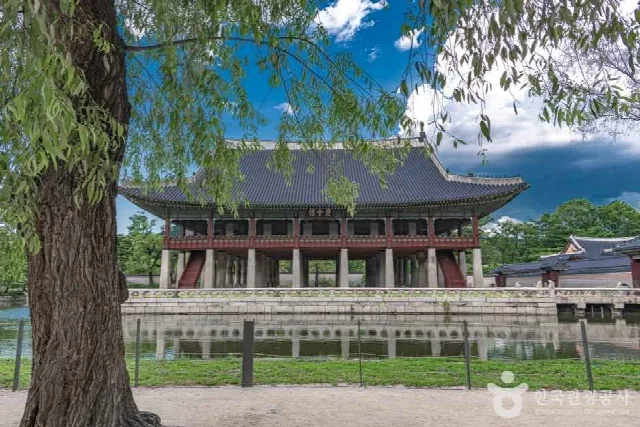
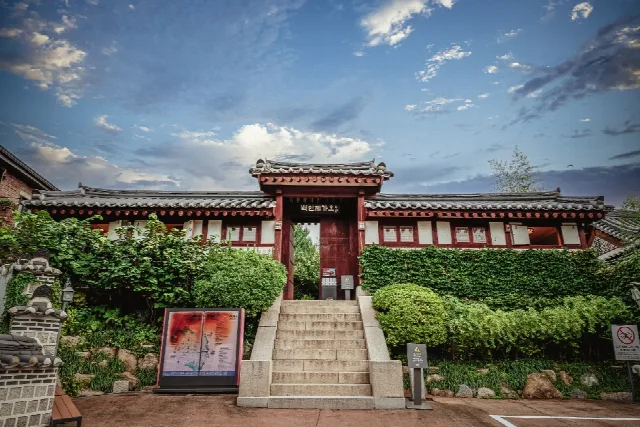

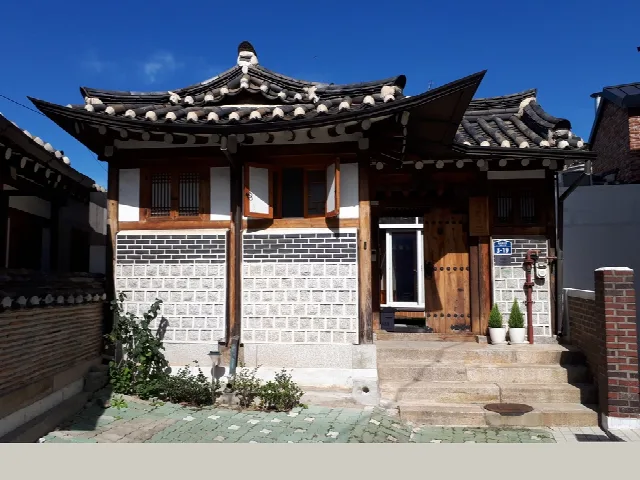
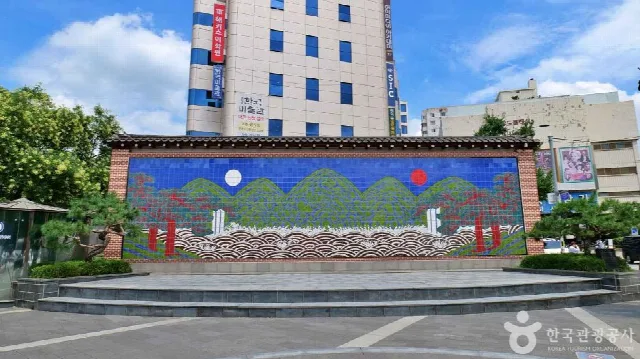

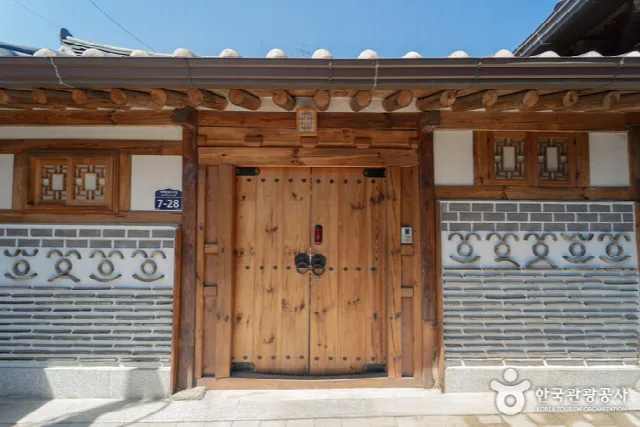
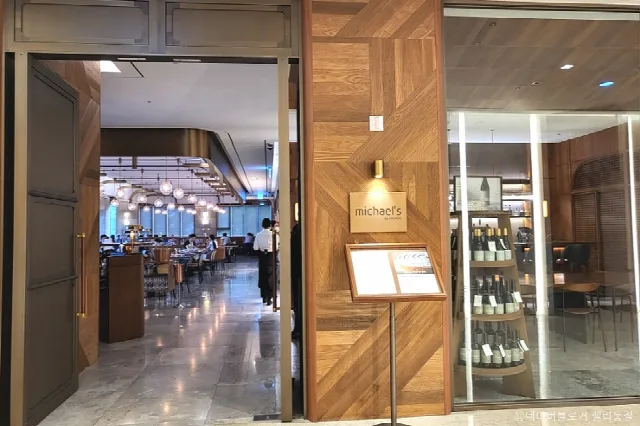
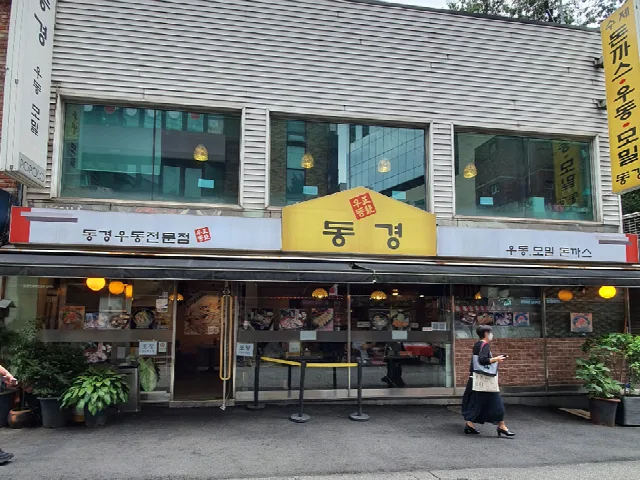
Nearby info & photos: Korea Tourism Organization
Festivals nearby
On now or coming soon · nearest first

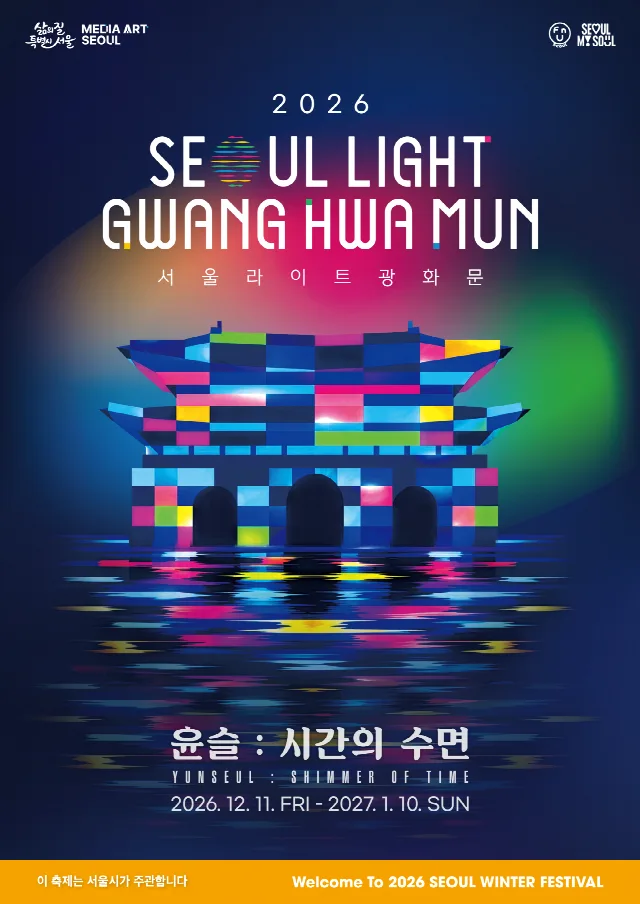




Info: Culture Data Plaza — dates may change, please check with the organizer