Heolleung and Illeung Royal Tombs (Seoul)
Heolleung and Illeung Royal Tombs (Seoul)
3.7km from 2026 Board Game Festa (Season 2)
서초구 헌인릉길 34 (내곡동)
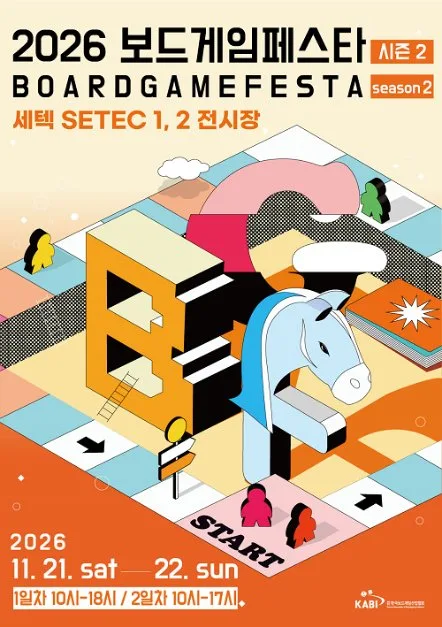 Great with this festival2026 Board Game Festa (Season 2)
About
Heolleung is the tomb of King Taejong (r. 1400–1418), the 3rd king of Joseon, and Queen Wongyeong of the Min clan (1365–1420). It is a twin tomb (雙陵), with two mounds placed side by side within one enclosing wall; viewed from the front, the left (west) is King Taejong’s tomb and the right (east) is Queen Wongyeong’s. Queen Wongyeong died first in 1420 (the 2nd year of King Sejong), and her tomb was built at the current site. When building Queen Wongyeong’s tomb, King Taejong had his own tomb site prepared in advance. Two years later, in 1422 (the 4th year of King Sejong), when King Taejong died, his tomb was built to the west of Queen Wongyeong’s, taking on its present form. Both burial mounds are surrounded by folding-screen stones and railing stones, and the screen stones are carved with the twelve zodiac deities, vajra and vajra bells. Around the mounds are stone civil officials, stone military officials, stone horses, jungjeongseok stones, a stone lantern, a stone table (honyuseok), mangjuseok pillars, stone sheep and stone tigers. In particular, the stone civil officials, stone military officials, stone horses, stone sheep and stone tigers are placed in twice the numbers of other royal tombs, following the system of Hyeolleung and Jeongneung (玄·正陵), the tombs of King Gongmin of Goryeo and Princess Noguk. In the stele pavilion below the burial mounds are two sindobi (tomb steles): one erected after King Taejong’s death, and one re-erected in 1695 (the 21st year of King Sukjong) after the original was damaged. Illeung is the tomb of King Sunjo (r. 1800–1834), the 23rd king of Joseon, and Empress Sunwon of the Kim clan (1789–1857). Illeung is a joint burial tomb (合葬陵), with the king and queen buried together in one mound; according to the principle of ‘right is higher, left is lower’ (右上左下), King Sunjo is on the left and Empress Sunwon on the right as viewed from the front. When King Sunjo died in 1834 (the 34th year of King Sunjo), his tomb was built the following year near Jangneung (King Injo) in Gyoha, Paju. However, it was moved to the current site because it was considered inauspicious according to feng shui. The new Illeung site had originally been the site of King Sejong’s old Yeongneung, and during construction of Illeung, the stone figures of Sejong’s old Yeongneung and of Huireung, the old tomb of Queen Janggyeong, King Jungjong’s second queen, which had been buried in the surrounding ground, were dug up, refined and reused. The reused stone figures are the stone civil officials, stone military officials, stone horses, stone lantern, stone table (honyuseok), mangjuseok pillars, stone sheep and stone tigers, and some of the stone sheep, mangjuseok pillars and stone horses were newly made. This is recorded in the ‘Illeung Cheonbong Sanneung Dogam Uigwe,’ compiled after Illeung was moved. When Empress Sunwon died the year after Illeung was moved, she was buried together in Illeung. In the stele pavilion below the burial mound are two marker stones: the first erected in the Joseon period (King Sunjo, Queen Sunwon), and the second erected during the Korean Empire (Emperor Sunjo Suk, Empress Sunwon Suk).
Visitor info
- Contact
- 02-445-0347
- Hours
- [February–May] 09:00~18:00 (Last entry 17:00)[June–August] 09:00~18:30 (Last entry 17:30)[September–October] 09:00~18:00 (Last entry 17:00)[November–January] 09:00~17:30 (Last entry 16:30)
- Closed
- Mondays※ Open when Monday is a public holiday, and closed on the first weekday after
- Parking
- Available
- Cards
- Available
- Admission
- - Individuals 1,000 won - Groups (10 or more) 800 won
- Parking fee
- Free
- Restrooms
- Yes
Accessibility
How easy it is to get around with a wheelchair, stroller or for older visitors
- Accessible parkingAccessible parking spaces available (7 in total)
- Access routeThe sidewalk of about 5 minutes from the bus stop is sloped, and the approach near the main entrance is flat
- EntranceStep-free main entrance
- WheelchairsWheelchair rental available (2)
- Accessible restroomAccessible restroom available
- StrollersStroller rental available (2)
Directions
Heolleung and Illeung Royal Tombs (Seoul) · Seocho, Seoul
 Naver Map
 KakaoMap
 TMAP
 Google Maps
Festivals nearby
On now or coming soon · nearest first



Sights nearby
Place info & photos: Korea Tourism Organization TourAPI · Barrier-free travel info (incl. KOGL Type 3) · Hours and prices may change, please check before visiting · Updated 2026.11.11