Hwangnyongsa Temple Site, Gyeongju
Hwangnyongsa Temple Site, Gyeongju
27.3km from Pohang International Fireworks Festival
경주시 구황동 772
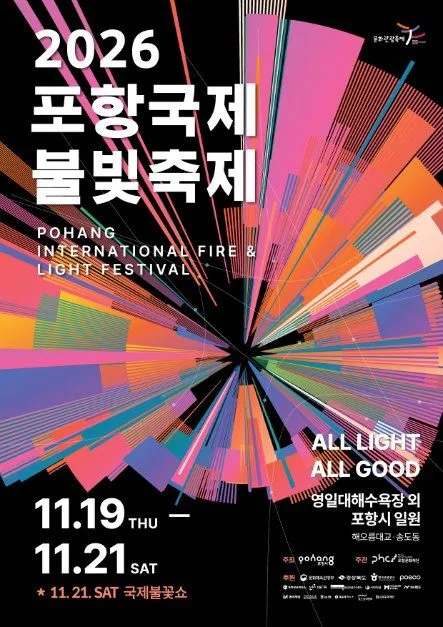 Great with this festivalPohang International Fireworks Festival
About
Hwangnyongsa was a temple built in the 6th century during the Silla period and burned down during the Mongol invasion in the 13th century under Goryeo; today only the site remains, giving a sense of its scale. Covering 8,800 pyeong, it is believed to have been a huge temple eight times the size of Bulguksa. Construction began by royal command in 553 (14th year of King Jinheung of Silla), the main halls were completed in 566, and the main Buddha hall was completed in 584 (6th year of King Jinpyeong). Fully completed with the construction of its pagoda in the 14th year of Queen Seondeok (645), Hwangnyongsa was the center of Silla’s state-protecting Buddhist faith. Within the temple grounds stood the Nine-Story Wooden Pagoda of Hwangnyongsa, one of the treasures of Silla; a symbol of Silla, it was completed in three years by Abiji of Baekje at the suggestion of the monk Jajang, who had returned from study in Tang. Today, the simchoseok, the central foundation stone that supported the pagoda, remains where the nine-story pagoda once stood. The temple was east of Wolseong, the Silla royal palace; according to the record of its founding, King Jinheung tried to build a new palace on low ground east of Wolseong, but when he saw a yellow dragon rising to the heavens there, he stopped the construction of the palace, had it made into a temple instead and gave it the name Hwangnyongsa (Yellow Dragon Temple). As a national temple, it was frequently visited by successive kings and held first place among Silla’s state temples. Even after the fall of Silla, it continued under the Goryeo dynasty with deep reverence and protection and even received timber to repair the pagoda. However, in 1238 (25th year of King Gojong), the pagoda and all the buildings burned down during the Mongol invasion. In 1969 the lecture hall site was excavated, uncovering the foundation stones of the main hall, lecture hall and pagoda site, and eight years of excavation from March 1976 revealed a distinctive layout of one pagoda and three main halls and unearthed some 40,000 artifacts. The substructures of the buildings, including the platforms, were confirmed, but because the upper parts could not be accurately verified, a full restoration was not carried out, and only the platform of 64 foundation stones was restored. Next to the Hwangnyongsa site is the Hwangnyongsa History and Culture Museum, consisting of a 3D audiovisual room showing the process from the temple’s construction to its destruction and a Silla history exhibition room displaying artifacts unearthed during the excavation; on the 1st floor, a model reproducing the Nine-Story Wooden Pagoda of Hwangnyongsa at one-tenth scale is on display.
Visitor info
- Contact
- 054-777-6862
- Hours
- Always open
- Closed
- Open all year
- Parking
- Available
- Admission
- Free
- Korean guide service
- No
Directions
Hwangnyongsa Temple Site, Gyeongju · Gyeongju, Gyeongbuk
 Naver Map
 KakaoMap
 TMAP
 Google Maps
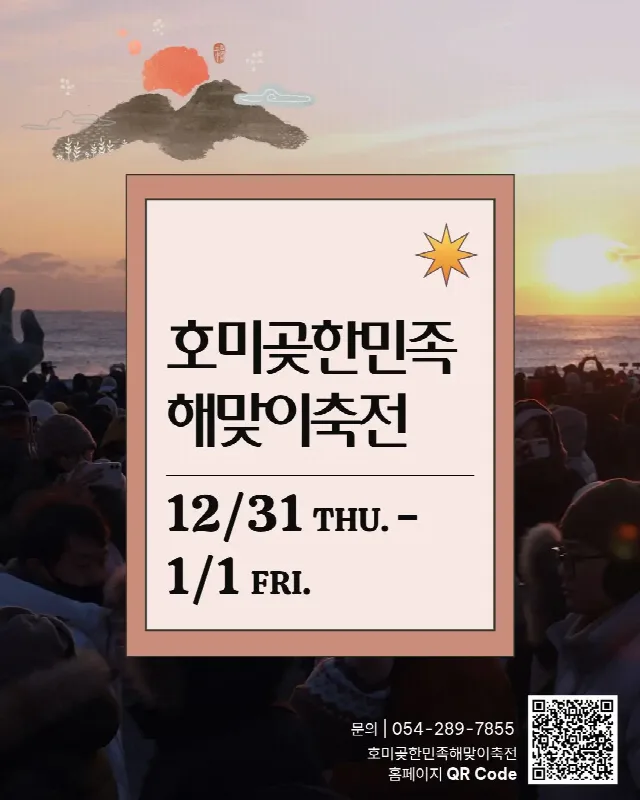
Festivals nearby
On now or coming soon · nearest first


Sights nearby
Restaurants nearby
Stays nearby
Place info & photos: Korea Tourism Organization TourAPI (incl. KOGL Type 3) · Hours and prices may change, please check before visiting · Updated 2026.11.09