Gwangju National Museum
Gwangju National Museum
850m from 2026 Culture Day Youth Mic · about 13 min walk
북구 하서로 110
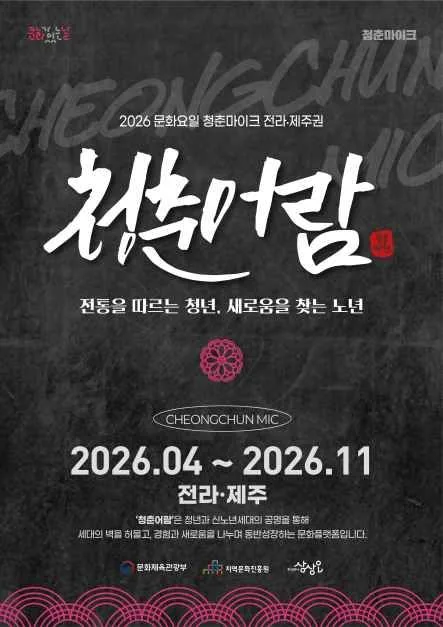 Great with this festival2026 Culture Day Youth Mic
About
Gwangju National Museum opened on December 6, 1978, to collect and preserve the cultural heritage of the Honam region, including the Sinan shipwreck artifacts whose underwater excavation began in 1976, and to introduce the region's history and culture. Modeled on a pavilion, with two above-ground floors and four basement levels on a total area of 80,444㎡ (24,334 pyeong), the museum holds some 160,000 artifacts, including designated heritage such as National Treasures and Treasures. Besides exhibitions, it runs a colorful range of tailored education and hands-on programs and cultural events throughout the year. The museum has seven permanent exhibition rooms, the Prehistoric and Ancient Culture Room, the Agricultural Culture Room, the Ceramics Room, the Buddhist Art Room, the Calligraphy and Painting Room, the Sinan Shipwreck Room and the Central Hall, plus an outdoor exhibition area. In the Prehistoric and Ancient Culture Room you can follow the course of history from the Paleolithic to the Unified Silla period. Items excavated from the Neolithic Songdo and Ando sites in Yeosu, Bronze Age dolmens and the bronze artifacts excavated in Daegok-ri, Hwasun (National Treasures) are on display. The Jeollanam-do region can be called the home of Korean ceramics, with countless kiln sites ranging from Goryeo celadon to Joseon buncheong ware and white porcelain, and artifacts excavated from them can be seen in the Ceramics Room. The Sinan Shipwreck Room displays Chinese Song and Yuan dynasty artifacts recovered over nine years, from 1976 to 1984, from the trading ship sunk off Sinan. The Buddhist Art Room displays Buddhist crafts and paintings from the Unified Silla period to the Joseon era. On display are sarira reliquaries excavated from the Three-story Stone Pagoda of Borimsa Temple in Jangheung and the West Five-story Stone Pagoda in Gwangju, a gilt-bronze standing Tathagata excavated in Hwabang-ri, Boseong, a gilt-bronze standing Bodhisattva from Unjusa Temple in Hwasun, gilt-bronze Four Heavenly Kings from Yongheung-ri, Yeongam, a gilt-bronze seated Ksitigarbha Bodhisattva from the Yongamsa Temple site in Yeongam, a Buddha's head from Wonhyosa Temple in Gwangju, arhat statues from the Seobongsa Temple site in Damyang, and more. The entrance lobby also has the Twin Lion Stone Lantern from Jungheungsanseong Fortress. The Calligraphy and Painting Room displays representative works by Honam-born painters active in the Joseon era and the modern period, so that visitors can easily understand and enjoy the currents of Honam painting and take pride in local culture. Works by leading Joseon painters such as Jeong Seon and Sim Sa-jeong are also displayed, helping visitors understand and appreciate not only Honam painting but also Joseon painting as a whole.
Visitor info
- Contact
- 062-570-7000
- Hours
- [Gwangju National Museum] - 10:00~18:00 - Last admission 17:30 [Children's Museum] - 10:00~17:00 [Museum garden]- 08:00~20:00
- Closed
- January 1 / Seollal and Chuseok (day of) ※ See the website for details
- Admission
- Free (except paid special exhibitions)
- Time needed
- About 1 hour
- Strollers
- Available
Accessibility
How easy it is to get around with a wheelchair, stroller or for older visitors
- Accessible parkingAccessible parking available (6 spaces in total, indoor and outdoor)
- Access routeRamp installed up to the entrance (manual door)
- EntranceMain entrance has a ramp and is wheelchair accessible
- WheelchairsAvailable for rent (ask at each exhibition room)
- ElevatorAccessible elevator available
- Accessible restroomAccessible restroom available (1st floor)
- Audio guideAudio guides for exhibition commentary available
- StrollersAvailable for rent (2 at the ticket office, 2 at the exhibition hall, 2 at the education building)
- Nursing roomNursing room available (Children's Museum)
- OtherBraille guide QR codes available
Directions
Gwangju National Museum · Buk-gu, Jeonnam
 Naver Map
 KakaoMap
 TMAP
 Google Maps
Festivals nearby
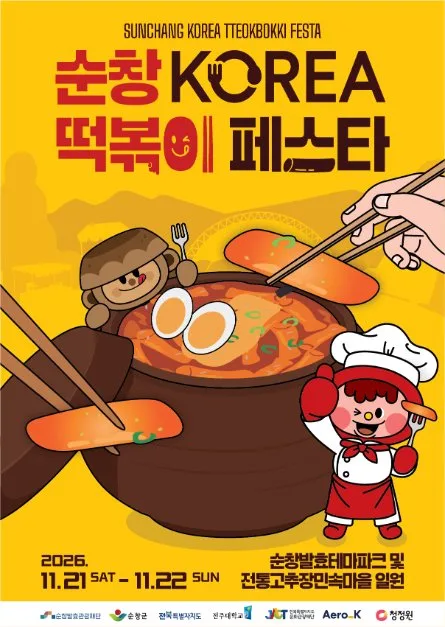
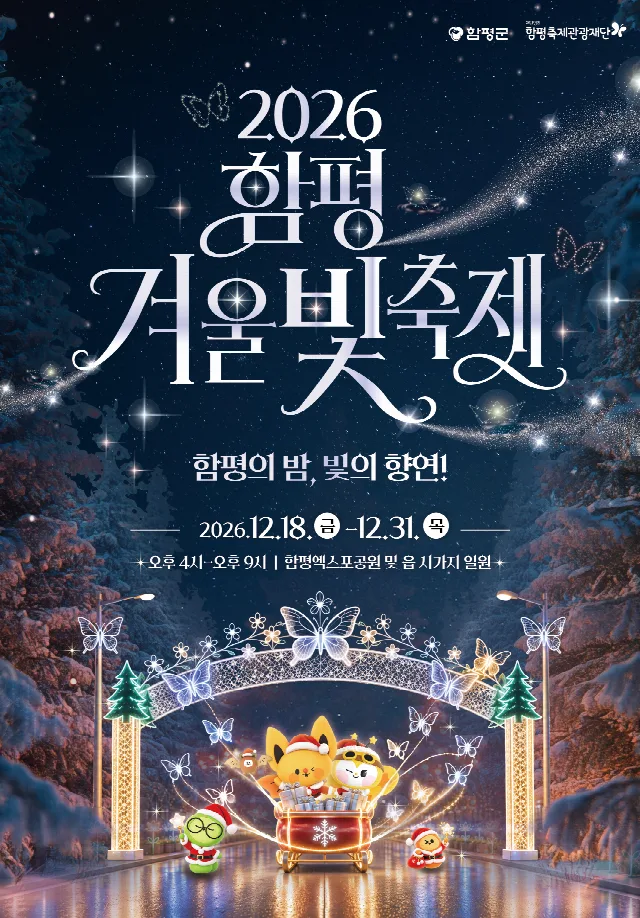
On now or coming soon · nearest first

Sights nearby
Restaurants nearby
Place info & photos: Korea Tourism Organization TourAPI · Barrier-free travel info · Hours and prices may change, please check before visiting · Updated 2026.11.11