Gwangju History & Folk Museum
Gwangju History & Folk Museum
470m from 2026 Culture Day Youth Mic · about 7 min walk
북구 서하로 48-25 (용봉동)
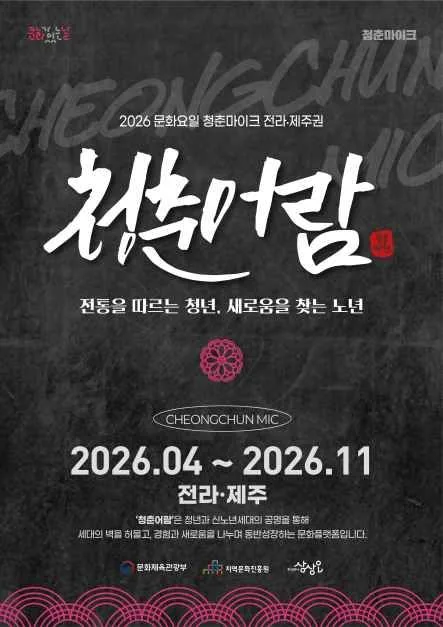 Great with this festival2026 Culture Day Youth Mic
About
Gwangju History and Folk Museum was established in response to the growing need to collect folk materials disappearing as everyday culture changes, to discover and preserve the original forms of folk culture, and to have an exhibition space for passing folk culture on. The first floor is the Namdo Folk Room, where you can explore the nature of the Jeolla region and the history of the people who lived in it. Exhibits and materials are divided into six themes: Namdo's nature, agriculture, houses, fisheries, markets and arts. The second floor is the Gwangju Modern History Room, covering Gwangju's history in the Joseon era, the Japanese colonial period and after liberation. It consists of three spaces: Gwangjueupseong Fortress, Chungjeong-ro and Geumnam-ro. A model restoring Gwangjueupseong Fortress, which disappeared in the 1900s, shows old Gwangju, and a recreated Chungjang-ro street of the 1920s–30s introduces life under Japanese rule. It also has materials on the April 19 Revolution and the May 18 Democratic Uprising. The outdoor exhibition area displays about 100 folk items and structures, including standing stones, stone lanterns, stone jangseung, stone Buddhas, stone steles, stone child statues, stone statues of civil officials, stupas, a jeongnyeo (memorial gate) and a water mill. Nearby are cultural facilities such as the Gwangju Biennale Exhibition Hall and Gwangju Museum of Art, as well as Yongbong Green Wetland, all worth visiting together.
Visitor info
- Contact
- 062-613-5378
- Hours
- 09:00~18:00 (last admission 17:30)
- Closed
- Mondays / January 1 / the day after public holidays
- Admission
- Free
Accessibility
How easy it is to get around with a wheelchair, stroller or for older visitors
- Accessible parkingAccessible parking spaces available (3 spaces)
- Access routeRamp installed up to the entrance
- EntranceMain entrance has no steps; wheelchair accessible
- ElevatorNo elevator, but a wheelchair lift is available
- Accessible restroomAccessible restrooms available
- OtherWheelchair-accessible reading seats available
Directions
Gwangju History & Folk Museum · Buk-gu, Jeonnam
 Naver Map
 KakaoMap
 TMAP
 Google Maps
Festivals nearby
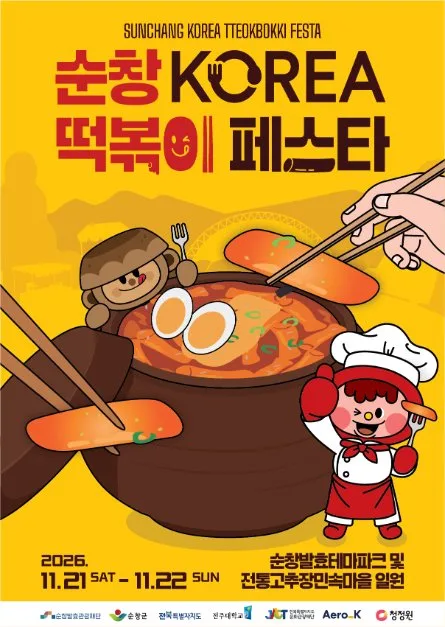
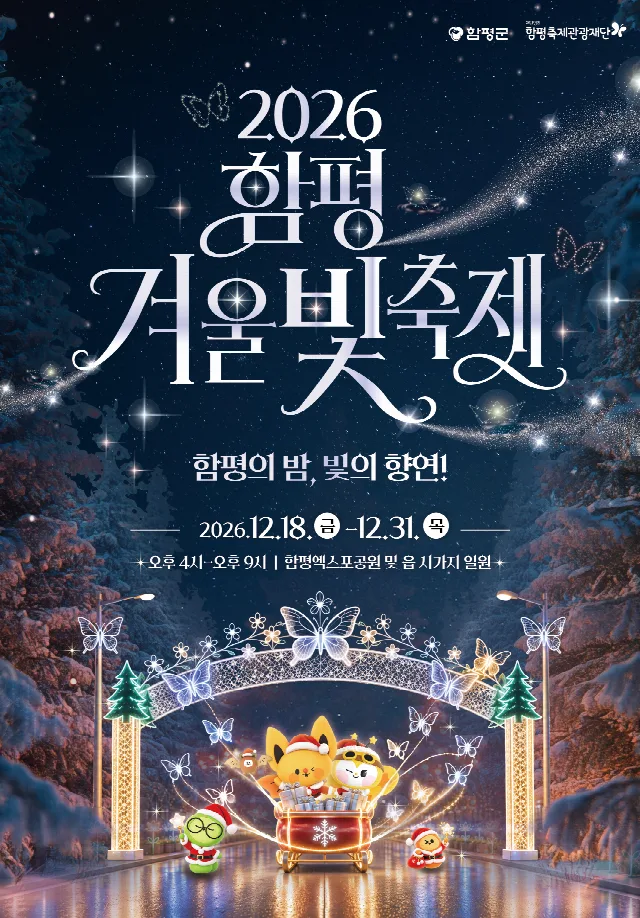
On now or coming soon · nearest first

Sights nearby
Restaurants nearby
Place info & photos: Korea Tourism Organization TourAPI · Barrier-free travel info · Hours and prices may change, please check before visiting · Updated 2026.11.11