Neungjitap Pagoda Site, Gyeongju
Neungjitap Pagoda Site, Gyeongju
28.1km from Pohang International Fireworks Festival
경주시 배반동 621-1
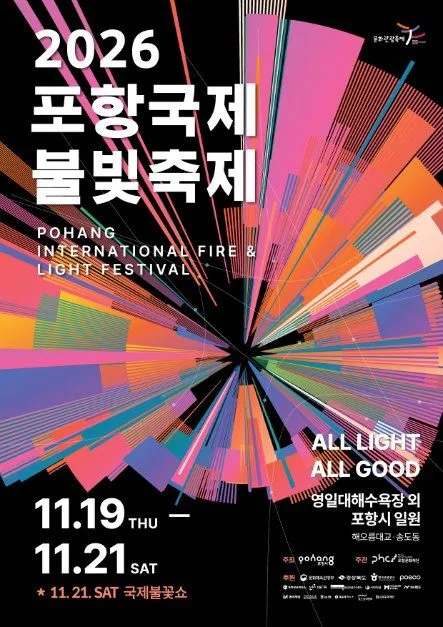 Great with this festivalPohang International Fireworks Festival
About
This is the site of Neungjitap, long called Neungsitap or Yeonhwatap (Lotus Pagoda). The pagoda, which had been left in ruins, was investigated several times from 1969 by the Silla Three Mountains Research Team and restored to its current form in 1979. Neungjitap is believed to have originally been a five-story pagoda, with statues of the twelve zodiac deities set into the four sides of the platform and its body made of stacked stones carved with lotus patterns. Also, judging from the fragments of clay Buddha statues and large amounts of roof tile pieces unearthed during excavation, niches seem to have been made on the four sides of the pagoda to enshrine Buddha statues. The platform of the pagoda was built of dressed stones, and its top was covered with soil and planted with grass. Statues of the twelve zodiac deities were placed around the platform according to their directions. The pagoda body above the platform was built of dressed stones in the same form as the platform, but differs from it in having an extra tier of support stones on top. The top of the pagoda was finished by piling up soil in the shape of a pyramidal roof. According to the Samguk Sagi, King Munmu of Silla (r. 661-681) left a will instructing that when he died, he should be cremated simply in the outer courtyard of the palace within 10 days. Indeed, fragments of King Munmu’s tomb stele were found at the nearby Sacheonwangsa Temple Site, so some believe King Munmu was cremated at the Neungjitap site in Gyeongju. This also seems to be why Neungjitap was called Neungsitap.
Visitor info
- Contact
- Gyeongju City Hall Cultural Heritage Division 054-779-6110
- Hours
- Always open
- Closed
- Open all year
- Admission
- Free
Directions
Neungjitap Pagoda Site, Gyeongju · Gyeongju, Gyeongbuk
 Naver Map
 KakaoMap
 TMAP
 Google Maps
Festivals nearby
On now or coming soon · nearest first


Sights nearby
Restaurants nearby
Stays nearby
Place info & photos: Korea Tourism Organization TourAPI · Hours and prices may change, please check before visiting · Updated 2026.10.29