Bomunsa Temple (Seoul)
Bomunsa Temple (Seoul)
2.1km from 2026 Korea Tourism Souvenir Fair · about 32 min walk
성북구 보문사길 20 (보문동3가)
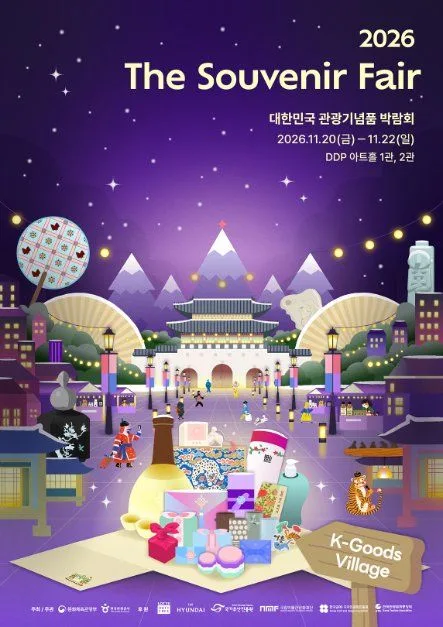 Great with this festival2026 Korea Tourism Souvenir Fair
About
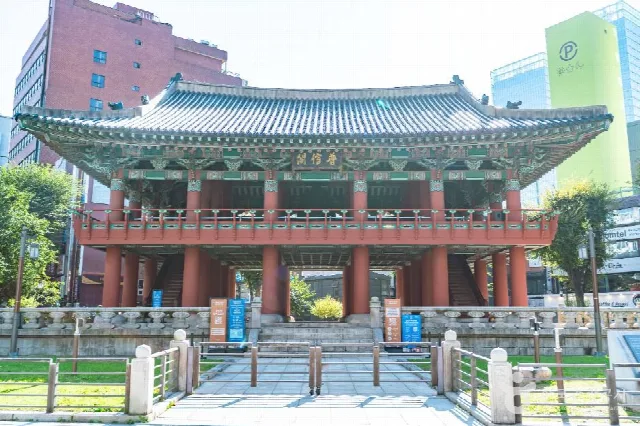
Bomunsa Temple, registered as a traditional temple of Seoul, is located in Bomun-dong, Seongbuk-gu, Seoul, and was founded in the 10th year of King Yejong of Goryeo (1115) by National Preceptor Damjin (曇眞國師). In particular, the ‘Toegyeong Jeonseo – Bomunsa Ilsin Geonchukgi (普門寺一新建築記)’ written by Toegyeong Kwon Sang-ro (1879–1965) records it as a temple of bhikkhunis (Buddhist nuns), where nuns have resided since long ago, praying for the peace of the nation and the prosperity of the royal family. The history in between had not been passed down, but in 2017, during the repair of Geungnakbojeon Hall, an intact ridge-beam inscription was discovered, proving the historical facts. Geungnakbojeon, which took on its present form, was first rebuilt in 1747 (the 23rd year of King Yeongjo), repaired for the first time in 1824 (the 24th year of King Sunjo), and a second time in 1865 (the 2nd year of King Gojong). According to the Toegyeong Jeonseo, the monk Subong Beopchong (秀峰法聰) newly built Manseru Pavilion in 1826, and the monk Jeongun (正雲) built the left and right monks’ halls in 1827. It is also recorded that in 1842 the monk Yeongjeon (永典) repaired Manseru, and in 1872 the monk Geumhun (錦勳) repaired the left and right monks’ halls. The discovery of the Geungnakbojeon ridge-beam inscription showed that bhikkhunis have resided and practiced at Bomunsa continuously since the 1800s, and in particular, the inscription from the 4th year of Tongzhi shows that as a temple of royal prayer, it carried out Buddhist works with donations from the Joseon royal family, and that everyone from royal consorts and court ladies to the nobility and commoners took part. Bomunsa holds the royal palanquin (輦) ornaments and the Inrowang banner (引路王幡) bestowed by the royal court, as well as late-Joseon paintings of Sakyamuni Buddha, guardian deities and Ksitigarbha Bodhisattva, which are Seoul Tangible Cultural Heritage; the Lotus Sutra produced in the early Joseon period is designated National Heritage; and many other tangible and intangible national heritage items remain.
Visitor info
- Contact
- 02-928-3797
- Hours
- 09:00~18:00
- Closed
- Open all year
- Parking
- Available
- Strollers
- No
- Admission
- Free
- Restrooms
- Yes
Directions
Bomunsa Temple (Seoul) · Seongbuk, Seoul
 Naver Map
 KakaoMap
 TMAP
 Google Maps
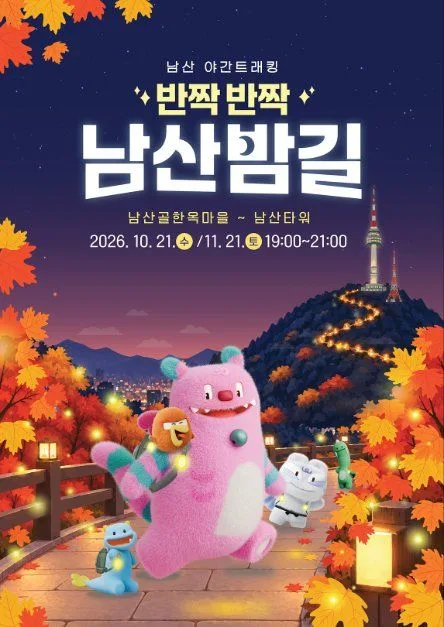
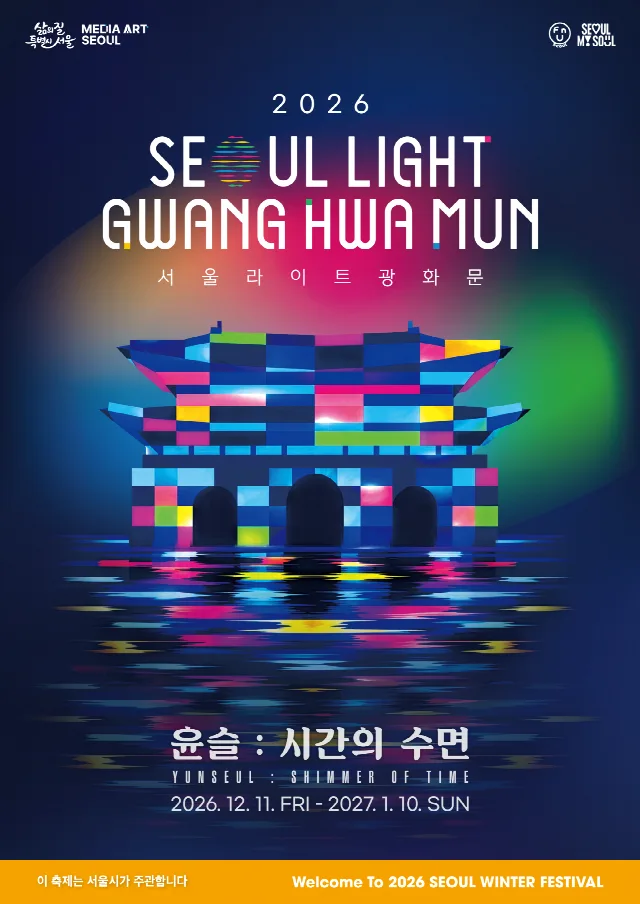
Festivals nearby
On now or coming soon · nearest first



Sights nearby
Restaurants nearby
Stays nearby
Place info & photos: Korea Tourism Organization TourAPI (incl. KOGL Type 3) · Hours and prices may change, please check before visiting · Updated 2026.11.03