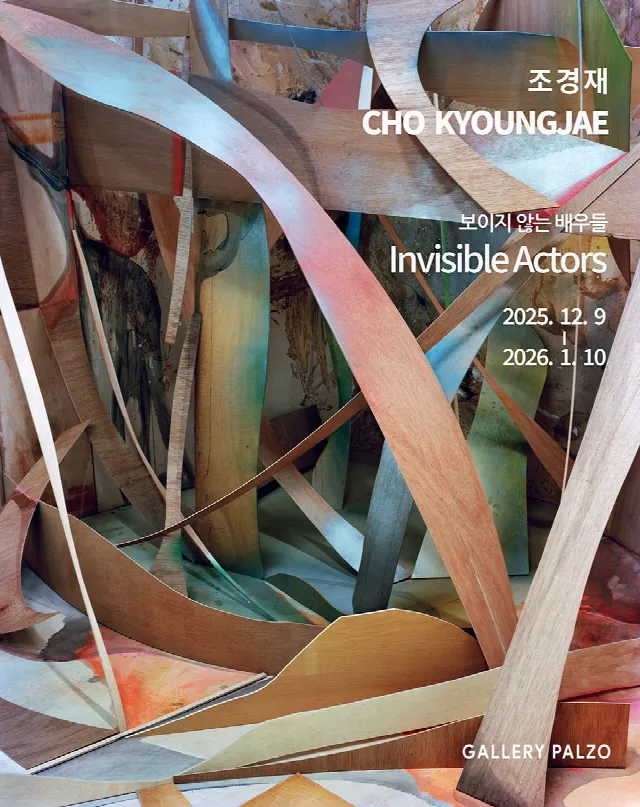
展覽 · 大邱 수성구
《Invisible Actors》
日期2025年12月9日(週二) ~ 2026年12月10日(週四)所有日期與時間皆為韓國時間(KST)
地點Paljo畫廊145-3 Yonghak-ro, Suseong-gu, Daegu대구광역시 수성구 용학로 145-3
費用門票免費
期間天氣
已過日期為韓國氣象廳觀測 · 之後為預報(11.20 03:15 更新)
介紹
Cho Kyung-jae是在明斯特藝術學院完成大師生(Meisterschüler)課程,並活躍於歐洲與韓國的攝影藝術家。他在相機有限的視角內,將真實空間像抽象繪畫般加以安排,再以攝影記錄下來。Cho Kyung-jae的創作聚焦於對空間、物件、光線與時間的細膩探究。他以攝影為核心,運用裝置、行為表演等多元媒材實驗,透過重新配置、重新安排日常物件與空間,捕捉我們常常錯過的瞬間與存在的行動性。特別是他的作品以在有限視角內抽象地重構並記錄空間與物體的方式,揭示物體、空間與時間之間微妙的交互作用與內在變化。他也細心觀察空間、物件與時間的交互作用,這些探究的成果完整地反映在攝影作品中。他的照片不使用拼貼或數位編修,而是在真實空間中裝置實體物件,以類比相機拍攝的純粹攝影。在這個過程中,物體失去原本的功能與形態,轉化為物質本身固有的色彩與形狀,創造出新的視覺語言。本次展覽「Invisible Actors(看不見的演員們)」透過在相機中上演的「看不見的演員們的戲劇」呈現這些探究,表明存在本身就已經是一種行為。觀眾可以透過作品,直接體驗物件、空間與時間之間微妙的交互作用。Cho Kyung-jae持續嘗試透過展覽,讓攝影作品不停留於本身已完成的形式,而是擴展到裝置與聲音等多種實體媒材。如同他以往的展覽,本次展覽也能看到將攝影作品的結構特性轉化為其他形式並加以解構的過程。
Cho Kyung-jae《Invisible Actors》 Cho Kyung-jae的照片像一座舞台,而那座舞台上沒有演員。取而代之的是物件、光線,以及時間的流動各自被賦予角色,靜靜地構成場景。藝術家追隨一天之中光線變化的過程,細心觀察光線沾染在物件上的風景。他捕捉的瞬間並非完結的戲劇,而更接近持續進行的排練時間,或是光線向物件搭話的剎那對話。久久凝視他的照片,會浮現出物件彷彿意識著彼此而排列的微妙群舞感。既有精準對齊線條與角度的有序排列,也存在不打亂各物件固有性質、彼此回應並建立關係的間接群舞感。這兩種動態表面上靜止,內部卻像調度場景的信號般激起緩慢的波動。在Cho Kyung-jae的目光下,物件不只是單純反射光線的對象。它們在有光的空間裡推拉著風景,像在舞台上察覺對手的表演者一樣,靜靜地調整自己的位置。藝術家透過這些場景揭示,物件「存在」這件事本身就已經是一種行為。那一刻,相機不再只是記錄裝置,而成為看不見的觀察者兼觀眾,以及在光與物件之間調和細微張力的存在。因此,他的照片讓人想起空蕩的舞台,同時又留下一種印象:彷彿看不見的演員們在其中不斷回應彼此,創造出屬於自己的場景。場景不是固定的影像,更接近光與物件、距離與角度共同呼吸所生成的小小排練。正是在這一點上,自然能理解為何Cho Kyung-jae的照片像一座舞台。那並非模仿戲劇手法,而是因為物件之間早已流動的秩序、張力與關係的總和,構成了一座舞台。
Cho Kyungjae is a photographer who completed the Meisterschuler program at Kunstakademie Munster and has been active in both Europe and Korea. His work revolves around constructing actual spaces within the limited frame of the camera, often transforming them into abstract compositions, which he captures through photography. His work focuses on a subtle exploration of the intricate interactions between space, objects, light, and time. Using photography as his primary medium, along with installations and performances, he experiments with various forms to rearrange and reinterpret everyday objects and spaces. Through this, he captures the inner transformations and subtle interactions of fleeting moments that are often overlooked. His work reconstructs and records space and objects within the limited frame of the camera in an abstract manner, revealing the delicate interplay and inherent changes between objects, space, and time. He also observes these interactions with great care, and these explorations are clearly reflected in his photographic work. His photographs are pure images captured with an analog camera, where physical objects are installed in real spaces without the use of collage or digital manipulation. In this process, objects lose their original function and form, transforming into their intrinsic colors and shapes, thereby creating a new visual language. This exhibition, Invisible Actors, presents these explorations as a 'theater of invisible actors' unfolding within the frame of the camera, demonstrating that existence itself is already an act. Through this exhibition, the audience can directly experience the subtle interactions between objects, space, and time. Cho KyungJae expands his photographic work beyond its finished form by incorporating various physical media, such as installation and sound. As in his previous exhibitions, this exhibition continues to transform and deconstruct the structural characteristics of photography into other formats.
Cho Kyoungjae ‘Invisible Actors’ Cho’s photographs resemble a stage―one in which no actors appear. Instead, objects, light, and the passage of time are each assigned quiet roles, composing scenes in their own restrained manner. The artist follows the shifting light throughout the day, observing with care the landscapes it leaves upon objects. What he captures is not a completed performance but an ongoing rehearsal, or the brief moment in which light attempts a small chat with the things it touches. When one lingers on his images, a subtle ensemble choreography among the objects begins to surface. There is a deliberate alignment―a direct, ordered kind of group movement―yet alongside it exists another, more indirect choreography, where each object preserves its own distinct character while gently responding to others. These dual movements, though visually still, generate slow internal waves, as if signaling the continuous negotiation of a scene. Under his gaze, objects are never mere surfaces that reflect light. They become responsive presences that push and pull the surrounding landscape, adjusting their positions like performers aware of their partners onstage. Through these scenes, the artist reveals that the simple act of an object existing is already a form of action. In such moments, the camera ceases to be a recording device; it becomes an unseen observer, a spectator, and a mediator of the faint tension between light and matter. Thus his photographs evoke a stage stripped of actors yet filled with invisible performers quietly responding to one another, each revealing their own fleeting scene within every-changing natural light. The image is not a fixed tableau but a small rehearsal shaped by breath, distance, angle, and illumination. In this sense, it becomes clear why his work feels theatrical―not because it imitates drama, but because the order, tension, and relationships already flowing between things compose a stage of their own.
路線
Paljo畫廊
145-3 Yonghak-ro, Suseong-gu, Daegu
대구광역시 수성구 용학로 145-3
 Naver地圖
 Kakao地圖
 TMAP
 Google地圖
周邊玩樂
依離場館由近到遠

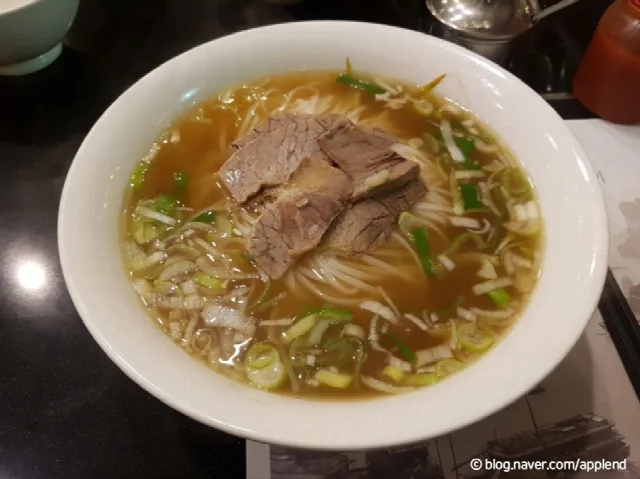
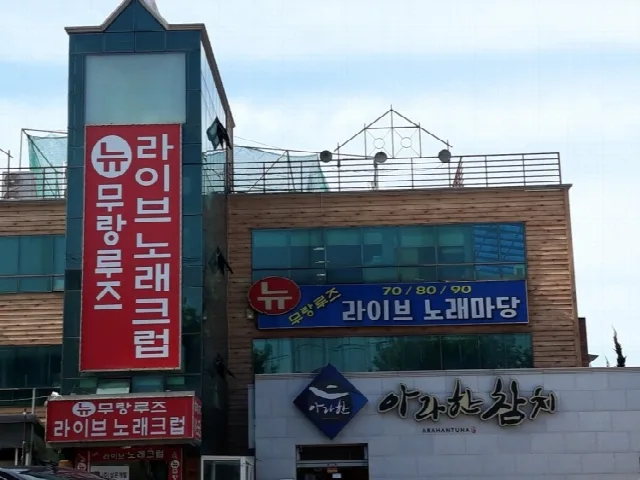
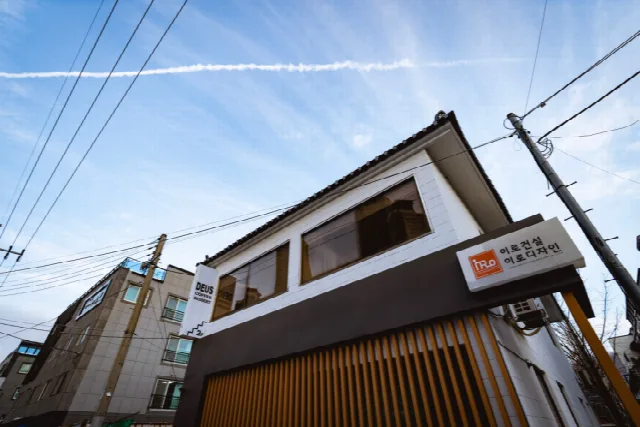
周邊資訊·照片:韓國觀光公社
附近的慶典
正在舉辦或即將舉辦 · 由近到遠

資訊:韓國文化資訊院 — 日程可能變動,請向主辦單位確認